

Dental anxiety is more common than you might think. For many individuals, the mere thought of sitting in the dentist’s chair can evoke feelings from slight apprehension to abject terror. This anxiety can emerge from a wide variety of factors, including traumatic experiences in the past, an inherent fear of needles or drills, or simply the unfamiliarity of the dental environment. In the event that dental anxiety dictates your oral health routine and prevents you seeking professional dental treatment, even when experiencing pain, this is likely to lead to detrimental consequences.
The Importance of Understanding Dental Anxiety
The first step is to acknowledge that you suffer from dental anxiety and try to understand what lies behind the feelings. Then it’s important to reflect honestly on what effects this may be having on your oral health, and what you can do to minimise your anxiety and get the right dental treatment at the right time for life-long healthy teeth and gums.
Dental anxiety encompasses a spectrum of emotions, ranging from mild unease to severe phobia. For many of us, a traumatic visit to the dentist as a young child can scar us for life and that’s why modern dental practices are very focussed on providing a welcoming and friendly environment for children from their very first visit. If not, there is a strong probability that they will grow up to be very fearful of dentists and prone to avoid getting necessary regular dental care. Symptoms of dental anxiety (or even dental phobia) may manifest as abnormal sweating, rapid heart rate or palpitations, nausea or visible distress, and the end result is that you avoid dental appointments at all costs.
How Dental Anxiety Can Affect Your Oral Health
People who suffer from severe dental anxiety may actively avoid regular dental check-ups and end up not getting the necessary treatment even when they are in pain. Unfortunately, this avoidance only exacerbates the issue, leading to the deterioration of dental health and the perpetuation of a vicious cycle of anxiety. Without timely professional intervention, common issues such as tooth cavities will only get worse, and what follows is often the need for more invasive and complex procedures in the future to address the underlying causes.
Furthermore, neglecting dental care increases the risk of developing other health conditions such as gum disease and oral cancer. The correlation between oral health and overall well-being underscores the importance of addressing dental anxiety proactively.
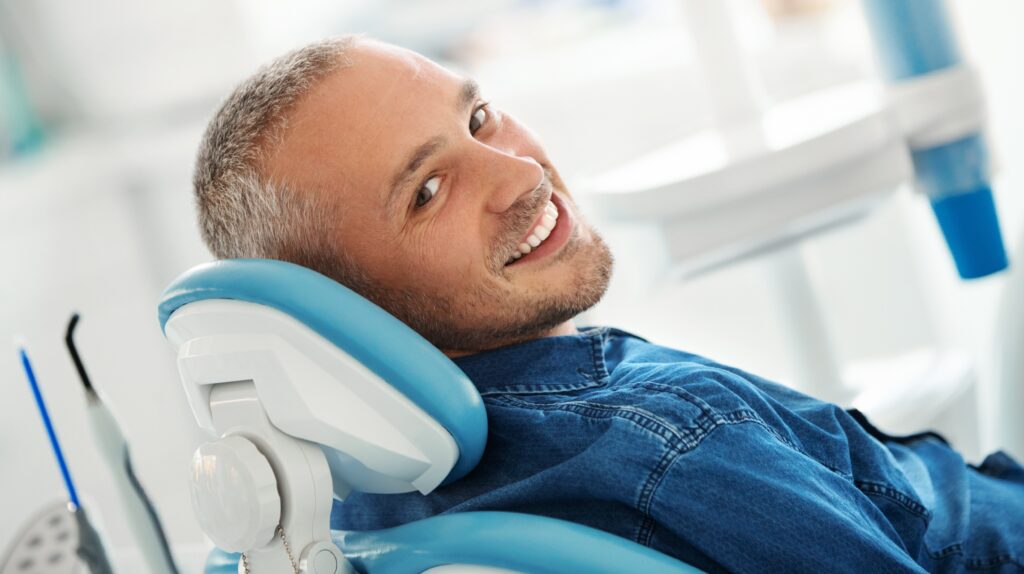
Managing Symptoms of Dental Anxiety
Fortunately, there are numerous techniques available to help manage dental anxiety. Open communication with your dentist is paramount; discussing your concerns and triggers can aid in devising a tailored approach to your dental care. Psychological coping mechanisms such as deep breathing, meditation, and distraction techniques like listening to music can also alleviate anxiety during dental procedures.
In cases of severe dental anxiety or phobia, medical interventions may be necessary to ensure a more comfortable dental experience, and options include oral anxiolytic medications, conscious sedation, or, in the more extreme cases, general anaesthetic. It’s essential to consult with your dentist and/or your doctor to discuss the best course of action based on your individual needs and medical history.
Dental Anxiety: You Are Not Alone
Dental anxiety can affect individuals of all ages, from children to adults. While children may overcome their fears with proper support and care, adults often carry their anxiety into later stages of life. However, finding a compassionate dentist who understands and accommodates your anxiety can make a significant difference in easing dental fears.
Several factors contribute to dental anxiety, including past traumatic experiences, fear of loss of control, and underlying mental health conditions like depression or PTSD. Additionally, the perception of the mouth as a personal space and invasive dental procedures can exacerbate anxiety. Recognising these triggers is crucial in devising personalised strategies to manage dental anxiety effectively.
Final Thoughts on Dental Anxiety
It’s essential that you do not allow dental anxiety to deter you from prioritising your oral health. By understanding the underlying causes of anxiety and exploring effective management techniques, you can overcome your fears and maintain a healthy smile for life. Our team of dental professionals are here to help so if you have any questions or concerns, please call the practice to get the right guidance.
Do you think that dental anxiety may be having a negative impact on the health of your teeth and gums? If so, reach out to us today and speak to our friendly reception team on 01252 620500.


