Expert guidance on choosing the best toothbrush
When aspiring to attain long-term optimal oral health, the role that excellent tooth brushing plays must not be understated. Consistent daily flossing and brushing, along with regular visits to the dentist and dental hygienist of course, are essential for maintaining healthy teeth and gums. Along with a good daily oral health regimen, paying attention to your diet is also important– limiting sugary food and drinks, while increasing your intake of nutritious fruits and vegetables.
When it comes to choosing the right brush for your teeth, you have two main options: traditional manual brushes or an amazing array of electric versions. Each has its own advantages and disadvantages. Regardless of your choice, it’s crucial to use the brush correctly to achieve the best possible results for your oral hygiene.
Manual vs electric: cost and convenience
When talking price, the manual toothbrush wins hands down because there really is no such thing as a ‘top of the range’ toothbrush that will cost you an arm and a leg! Electric toothbrushes however come in many different styles, functionality and cost which makes the decision-making process more complicated. Of course, you can pick up an electric toothbrush for as little as £15, but top of the range models can cost in excess of £300 – quite a price tag! So carefully do your own research before buying, or just ask your dentist or hygienist for advice.
When thinking about convenience, we love a manual toothbrush because you can easily take it anywhere with you (on a day out or a trip away) and there’s no need to remember your electric charger. Nothing is more annoying than being away with your electric toothbrush and it runs out of charge! So from the point of view of convenience, the traditional toothbrush scores higher than the electric. Manual toothbrushes also tend to take up less room in your bag, which is something to consider is space is super tight.
Manual vs electric: usability and performance
When it comes to manual and electric toothbrushes, the man difference lies in the effort required and brushing technique. With a manual brush, the results are determined entirely by your brushing technique. Whereas with an electric toothbrush, it takes charge of the hard work and all you have to do is guide it to the right spots for great results!
For manual toothbrushes, dental professionals usually recommend a softer bristle brush. The comfort and safety they provide make them an excellent choice. Vigorous brushing with hard bristles can actually harm your gums, root surface, and tooth enamel – a situation we definitely want to avoid!
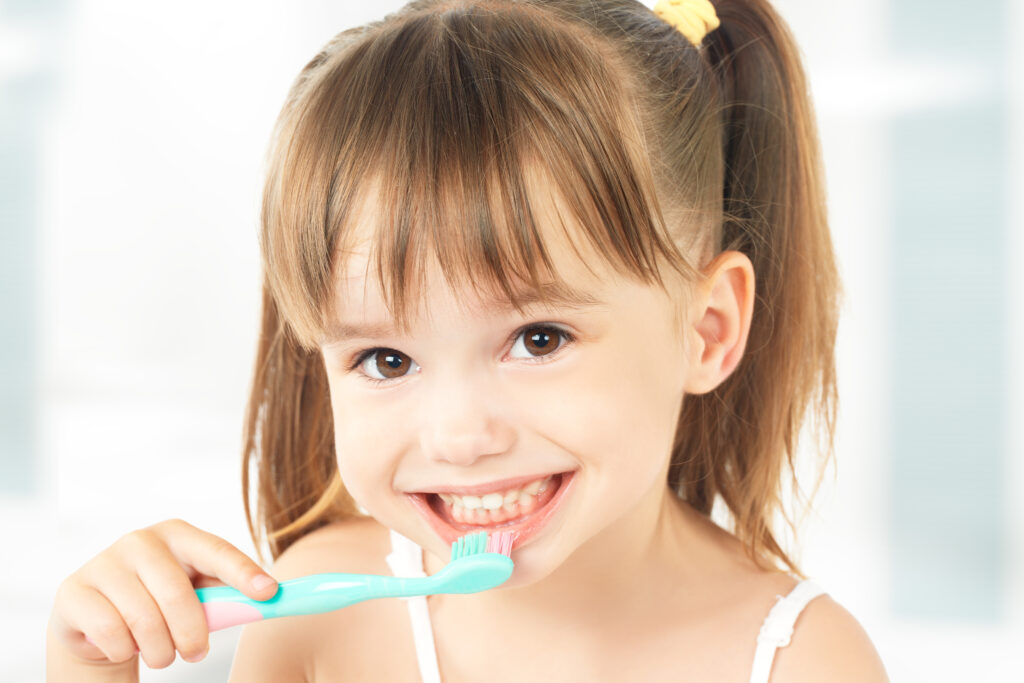
For young children just starting to brush their own teeth, starting with a small manual brush is most likely the easiest way for them to learn proper brushing skills.
While many people believe that the electric toothbrush yields superior results, the truth is that a traditional manual brush can deliver excellent cleaning if you have a good brushing technique. The key difference lies in the level of diligence required for your brushing technique, which differs from the automated nature of an electric toothbrush. The electric brush takes charge of the hard work, reducing room for human error – an important consideration when selecting a brush for children, especially slightly older ones who may find the electric option more appealing.
Another consideration is that an electric toothbrush is fantastic for individuals with conditions like arthritis, which may limit their manual dexterity. With its power rotations, the electric toothbrush effortlessly and comfortably cleans teeth, loosens plaque, providing a convenient solution.
Final thoughts..'What's the best type of toothbrush?'
In reality, we think that both a manual and an electric toothbrush can be just as effective as the other in keeping your teeth clean and healthy. But you have to make sure that you are using the right technique for the right brush. On top of this remember to brush your teeth twice a day, for the recommended 2 minutes, and be sure to floss properly every single day. And one last thing, do keep an eye on the wear and tear of your toothbrush head – most dentists recommend replacing your toothbrush roughly every 3 months.
We hope this advice has helped you in your toothbrush buying decision and may you all enjoy happy and healthy smiles for many years to come!